What the Letters After a Model Number Mean
607 PB, 607 AB, 607 SN and 607 BN are the same lock in four finishes. The letters are a finish code and a function code, read from the right, and once you can read them a price list of four hundred lines collapses into about sixty products.
Insight
Open any Chinese hardware manufacturer's price list and you will find the same thing: four hundred lines that look like four hundred products, and are not. Somewhere in there are 607 PBBK, 607 ABET, 607 SNET and 607 BNET, and a buyer new to the catalogue reasonably assumes these are four different locks that happen to share a number.
They are one lock. The digits are the product. The letters are the finish, and sometimes the function. Nobody writes this down, because inside a factory it is too obvious to explain and outside one there is no way to find out. So here it is written down.
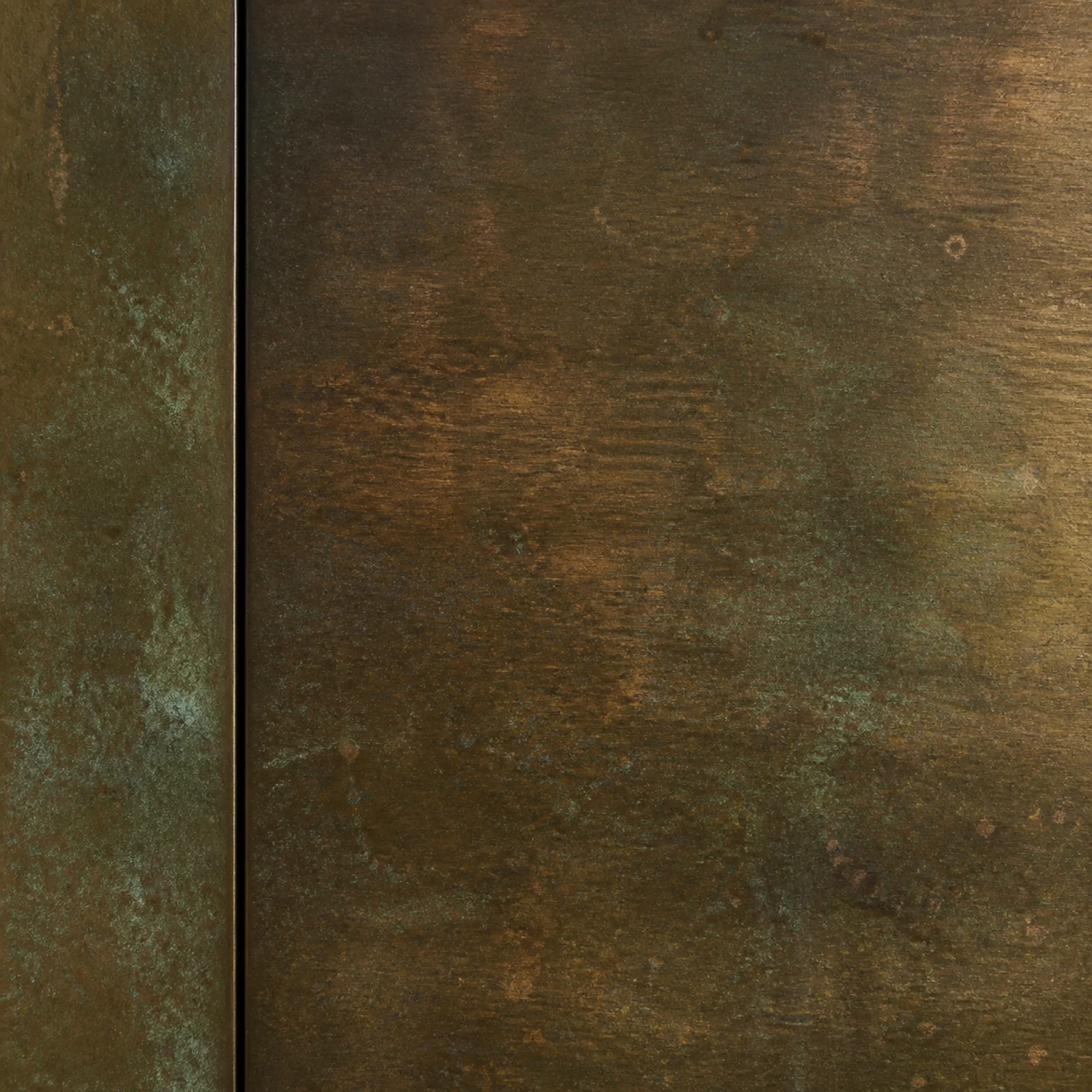
The finish codes are two letters, and most of the set runs across the whole industry rather than being ours alone. PB is polished brass. AB is antique brass. AC is antique copper. SN is satin nickel. SC is satin chrome. CP is chrome plated. SB is satin brass. SP is bright polished. BN is black nickel. SS is stainless steel, and where a supplier distinguishes the two grades of it, SSS is satin stainless and PSS is polished stainless. Two more are sprayed coatings rather than platings: W and WL are white paint, and F is a wood-grain spray. Our own price list spells several of these out in its finish column — PB=Polish Brass on the 6094, SN=Satin Nickel on the 70710, SC=Satin Chrome on the 70610, BN Black Nickle on the 9211 — and once you have seen the pattern once, the rest of the list reads itself.
A second group of letters is the function rather than the finish. ET is the entrance function, keyed from the outside. PS is passage: latch only, no cylinder, for a door that closes but never locks. BK is the privacy or bathroom function, with a turn button inside and an emergency release outside. So 607 PBBK is a 607 in polished brass, privacy function; 607 SNET is the same lock in satin nickel, keyed entrance. Read the letters from the right: the function comes last, the finish sits in front of it. 592 SSET is SS plus ET — stainless steel, entrance — not S plus SET, which is why reading left to right gets this backwards.
This matters commercially in a way that is easy to miss. A distributor who reads the codes stops quoting four hundred products and starts quoting sixty, each in the finishes their market actually buys. It shortens the range, shortens the conversation, and shortens the sample order — because a sample of the mechanism in one finish tells you what the other five feel like.
It also changes what you check before ordering. If the letters are the finish, then the finish is the part of the order most easily got wrong, and the part a photograph settles fastest. Ask for the finish you intend to order rather than accepting the one that happens to be photographed, and if a supplier sends the polished brass image against an antique copper line, treat that as a question rather than a detail.
One honest caveat about our own list. Where the finish column reads AB/AC/PB/SB/SS/SP/SC all available, that is the range the model can be produced in, not the finish of the piece in the photograph. A range in a specification is not a specification, and the two are worth keeping apart in your own records. A handful of older lines also carry a letter we have not confirmed the meaning of — S, E, D and a few others — and where we are not certain, our product pages say nothing rather than guessing.
If you are building a purchase order from a list like this, the useful sequence is: identify the mechanism from the digits, choose the function from the third letter group, then choose the finish last and confirm it in writing against a photograph of that exact code. The first two decisions are engineering. The last one is the one that arrives in a container and either matches the door or does not.
About Canton Hyland — Canton Hyland manufactures panic exit devices, locks and architectural door hardware for commercial and institutional projects, supplying specifiers and distributors internationally.